Top Benefits of Installing a Norweco Singulair Green Unit
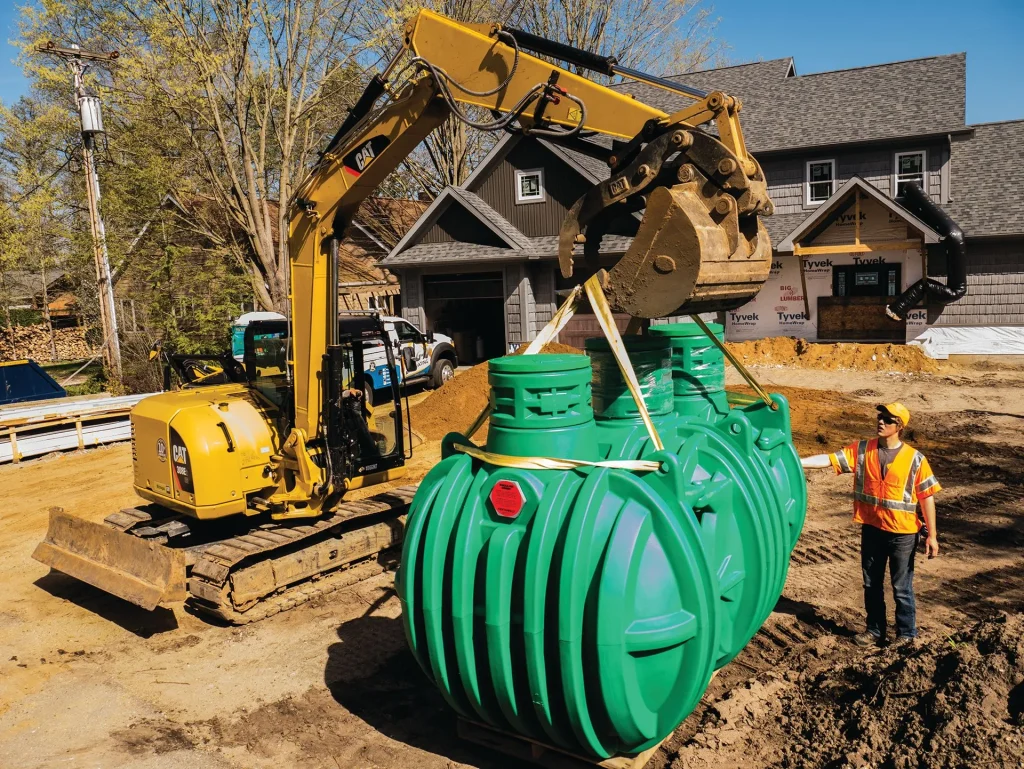
For property owners who need dependable onsite wastewater treatment, the conversation often starts with frustration. The lot may not perk well for a conventional system. The home may sit near a shoreline, creek, or drainage area with stricter environmental oversight. Or an aging septic setup may simply be reaching the point where patchwork repairs stop making financial sense. In those situations, a treatment system like the norweco singulair green unit enters the discussion for good reason.
I have seen the difference that a well-chosen aerobic treatment system can make, not just on paper, but in the day-to-day life of a property owner. The right unit can reduce odors, produce cleaner effluent, fit difficult sites, and lower the stress that comes with wondering whether the system underground is quietly becoming a major expense. That does not mean every property needs the same solution, and it does not mean advanced treatment systems are maintenance-free. It does mean that when the conditions are right, installing a Norweco Singulair Green unit can solve several problems at once.
What makes this system stand out is not one flashy feature. It is the combination of treatment performance, compact design, serviceability, and regulatory acceptance in many jurisdictions. Those advantages tend to matter most after the installation crew has left and the owner has to live with the system for years.
Why cleaner effluent changes everything
The biggest practical benefit of a norweco singulair green system is the quality of treatment it is designed to provide. Conventional septic systems rely heavily on passive settling and soil absorption. When soil conditions are ideal, that can work well. When they are not, a passive system begins to show its limits. Poor drainage, shallow limiting layers, high groundwater, and dense development all make wastewater treatment more complicated.
An advanced treatment unit addresses that problem by treating wastewater more thoroughly before it reaches the dispersal area. That cleaner effluent can reduce the burden on the downstream soil and help a site function where a basic septic tank and trench layout might struggle or fail. For many owners, this is not an abstract technical point. It can be the difference between building on a lot and being told the site needs a more sophisticated design.
In practical terms, cleaner effluent often means less organic loading going into the drainfield or other final disposal component. Over time, that can help protect the infiltrative surface and reduce the risk of premature clogging. Any contractor who has had to replace a failed drainfield knows how expensive and disruptive that work can become. Excavation tears up landscaping, access is not always easy, and the final bill tends to be far larger than owners expect. A treatment system that helps preserve the downstream components brings value long after the initial installation.
There is also a regulatory side to this. In many areas, especially near water bodies or environmentally sensitive land, local codes require higher treatment levels than a standard septic system can reliably achieve. A norweco singulair green unit may help satisfy those requirements, depending on the design criteria and permitting rules in the jurisdiction. That matters because approval pathways are not just a paperwork issue. They shape what is actually buildable on the property.
A strong fit for difficult lots
Not every piece of land was made for a textbook septic layout. Some of the most appreciative owners I have met were people who had already been told their lot was too tight, too wet, too sloped, or too constrained for a conventional approach. Advanced treatment systems often expand the range of workable sites, and that is one of the most compelling benefits of this type of unit.
A smaller treatment footprint can be especially valuable on infill lots, lake properties, and homes with additions, pools, garages, or other improvements competing for space. Once setbacks from wells, property lines, water features, and structures are accounted for, there may be little room left to work with. A system that produces higher-quality effluent can support designs that use land more efficiently, though the specifics always depend on local approval.
This is where homeowners sometimes underestimate the value of the equipment. They focus on the purchase price of the unit itself, which is understandable, but the real benefit may be that it unlocks a feasible site plan. If an advanced treatment system avoids major grading, a large mound, or the loss of usable yard area, the total project picture can look very different. Saving part of a backyard, preserving tree cover, or avoiding a second round of engineering revisions has real value, even if it does not show up as a line item labeled "benefit."
Better odor control and a cleaner experience around the home
Odor is one of the first signs that people associate with wastewater trouble, and while no system should be judged on smell alone, it matters. Homeowners notice it. Neighbors notice it. Guests notice it. A properly functioning aerobic treatment unit usually provides a better day-to-day experience than a marginal or overloaded conventional setup that is struggling in poor soil.
That does not mean the unit itself should be romanticized. Wastewater treatment is wastewater treatment. There are mechanical parts, biological processes, and operating conditions that have to stay within design limits. Still, when the system is installed correctly and maintained as intended, odor issues are often much less pronounced than they are with failing, undersized, or poorly matched alternatives.
I have seen situations where owners assumed their drainfield was the entire problem, when in fact the treatment stage was part of the issue. Upgrading to a more appropriate system improved not only performance metrics but also how the property felt to live on. A yard should not carry that sour, swampy warning sign that tells everyone something below grade is going wrong.
More predictable performance than a neglected conventional system
One of the less glamorous but very real benefits of a norweco singulair green unit is predictability. Conventional systems can seem wonderfully simple right up until they stop being simple. Because so much depends on site conditions and passive soil treatment, performance can be hard to judge until symptoms appear, and by then the owner may be dealing with wet spots, backups, or surfacing effluent.
An advanced treatment system introduces mechanical and electrical components, which some people initially view as a drawback. In truth, those components also create points of control. There is a process happening in a defined treatment unit, not just in soil conditions that may vary seasonally. With proper service, the system’s operation can be observed, adjusted, and documented in a way that many basic septic systems never are.
That accountability matters. If the blower, aeration, or recirculation components are not working properly, a service provider can identify and address the issue. Compare that with a conventional system where the warning sign may be soggy turf near the trenches after a period of heavy use, leaving the owner to guess whether the cause is hydraulic overloading, biomat buildup, root intrusion, or poor site drainage. Predictability has value because it shortens the time between problem and remedy.
Environmental protection is not just a talking point
Property owners often hear environmental claims attached to nearly every building product on the market, which makes some skepticism healthy. In onsite wastewater treatment, though, environmental performance is not branding language. It is the central purpose of the system.
When wastewater is treated more effectively before final discharge or soil dispersal, the risk to groundwater, nearby surface water, and surrounding soils can be reduced. That matters for homes near lakes, rivers, estuaries, and rural wells. It also matters in subdivisions where many systems operate in close proximity and cumulative impact becomes more important than any single installation.
The norweco singulair green concept appeals to owners who want a responsible system, but the strongest case for it is still practical. Cleaner treatment can help protect shared resources and reduce the chance that one failing property system becomes a neighborhood concern. Anyone who has watched algae issues grow in a lake community or who has dealt with a contaminated private well understands that wastewater treatment is local and immediate. The consequences are not theoretical.
For builders and developers, this environmental angle also ties back to project viability. Communities and reviewing agencies often scrutinize wastewater plans closely. A treatment approach with a strong reputation and established operating history may help support the permitting process, especially where higher treatment standards are expected.
A compact solution that can preserve usable land
Land is expensive, and usable land is even more expensive. That sounds obvious, but it gets overlooked during utility planning. Homeowners usually think first about square footage inside the house, then about driveways, patios, garages, and accessory structures. The wastewater system is often the last major item considered, despite the fact that it can dictate the use of a substantial area.
Advanced treatment can help reduce that burden. On the right site, the improved effluent quality may allow for a more efficient dispersal design than a standard septic tank would support. That can leave more yard for actual living, recreation, drainage management, or future improvements.
I have worked with owners who only understood the value of a compact wastewater solution after the alternatives were drawn out. A large conventional footprint can crowd out fencing plans, garden space, play areas, and expansion ideas. Once those trade-offs are made visible, the investment in a more advanced treatment unit often feels less like an upgrade and more like a design necessity.
Serviceability matters more than people expect
One of the mistakes buyers make is comparing wastewater systems only by installation price. A system should also be judged by how manageable it is to inspect, service, and keep operating over time. In that respect, the Norweco brand has long been familiar to many installers, operators, and regulators, and that familiarity can matter.
A recognized system with established service procedures usually creates fewer headaches than a one-off design with uncommon components or a thin support network. If a blower needs replacement, if settings need adjustment, or if the owner needs a routine service visit, the experience tends to go more smoothly when the system is widely understood in the local market.
This does not remove the need for proper maintenance. Any owner considering a norweco singulair green installation should be honest about that. Advanced treatment systems are not bury-and-forget infrastructure. They work best when the service schedule is respected. The upside is that maintenance is structured rather than reactive. Many owners prefer that arrangement because it replaces uncertainty with a known plan.
A short, practical way to think about ownership is this:
- You gain stronger treatment and better site flexibility.
- You accept routine maintenance as part of the package.
- You often reduce the risk of larger, less predictable failures.
- You improve the odds of long-term compliance with local requirements.
- You make future troubleshooting easier than with a mystery problem in a passive field.
That is not a universal rule for every property, but it is a fair summary of why so many owners choose advanced treatment when the stakes are high.
Long-term cost can favor the better system
It is easy to look at an advanced treatment unit and focus on the upfront premium over a basic septic system. That premium is real. There are equipment costs, installation details, controls, and ongoing service to consider. If someone is evaluating systems only on day-one expense, a conventional setup often appears more attractive.
The trouble with that comparison is that day-one expense is only part of the financial picture. Poor fit between the site and the system can become costly fast. Premature drainfield stress, repeated service calls, nuisance conditions, redesigns for additions, and compliance issues all have a way of erasing the apparent savings of a cheaper installation.
A more useful question is not "Which system costs less to put in?" But "Which system is the better value over ten to twenty years on this specific lot?" For a simple rural property with deep, well-drained soil and plenty of space, the answer may still be a conventional septic system. For a constrained site, a waterfront parcel, or a location with tighter discharge standards, the answer often shifts.
I have seen owners pay more upfront for advanced treatment and then avoid the much uglier cost of trying to correct a marginal system later. Retrofitting after a failure is rarely efficient. Access is harder, landscaping is already in place, and emotions are higher because the owner is reacting to a problem rather than planning around one.
A good option when regulations are getting tighter
Wastewater rules rarely get looser over time. In many regions, oversight has increased because the consequences of poor treatment are better understood and more visible. For homeowners, that can feel frustrating, but from a planning perspective it means installations should be chosen with an eye on the future, not only current minimums.
A norweco singulair green unit can be a sensible choice in areas where local agencies expect higher treatment performance or where permit reviewers are cautious about conventional systems on challenging sites. Even if a standard system is technically allowed today, some owners prefer to install something that is better aligned with where regulation is heading.
That forward-looking approach can also help with resale. Buyers do not all understand wastewater infrastructure, but inspectors, lenders, and norweco singulair green informed purchasers do pay attention to system age, condition, and suitability. A modern, serviceable treatment unit with documented maintenance history can be easier to explain than an old system with vague records and visible site limitations.
Not every property needs one, and that honesty matters
The best recommendations in this field come with nuance. A norweco singulair green system has clear benefits, but it is not automatically the right answer in every case. If a property has excellent soils, ample area, favorable setbacks, and no special environmental constraints, a well-designed conventional system may be perfectly appropriate and more economical.
Owners should also understand the operational trade-off. Advanced treatment brings moving parts and maintenance obligations. Power interruptions, neglected service, or misuse can undermine performance. That is not a flaw unique to Norweco. It is simply the nature of more sophisticated onsite treatment. The owners who do best with these systems are the ones who accept that stewardship is part of ownership.
A thoughtful site evaluation should guide the decision. Soil conditions, daily flow, occupancy patterns, seasonal use, jurisdictional requirements, topography, proximity to water, and budget all belong in the conversation. When those factors point toward advanced treatment, the benefits become much easier to justify.
What to ask before moving forward
Choosing the right installer and service support matters almost as much as choosing the unit itself. A strong system can underperform if it is poorly sited, incorrectly installed, or handed over without clear operating guidance. Before approving a project, property owners should get clear answers on a few points:
- How does this system fit the soil and site constraints better than a conventional alternative?
- What maintenance schedule is required, and who will provide that service?
- What are the expected operating costs, including power and routine service?
- How will alarms, controls, or service needs be communicated to the owner?
- What local approvals, inspections, or monitoring requirements apply after installation?
These questions tend to separate a polished sales pitch from a sound long-term plan. A good contractor or designer should be able to explain not only why the norweco singulair green unit is a fit, but also where its limits are and what ownership will realistically look like.
Where the value shows up over time
The owners who are happiest with advanced treatment systems are usually not the ones who bought on the lowest bid. They are the ones who matched the system to the site and understood the operating commitment from the start. Over time, the benefits show up in quieter ways than marketing materials suggest.
The yard stays usable. The system remains in compliance. Service Excavating New Jersey LLC norweco singulair green calls are routine instead of urgent. There is less worry after heavy holiday occupancy or wet weather. Expansion plans are easier to discuss with designers because the treatment side of the equation is stronger. Those are not glamorous outcomes, but they are exactly what good infrastructure is supposed to deliver.
Installing a norweco singulair green unit can be a smart move because it addresses several pressures at once: treatment quality, site limitations, environmental protection, regulatory demands, and long-term manageability. For the right property, those benefits are not marginal. They shape what can be built, how confidently it can be occupied, and how much risk the owner carries in the years ahead.
That is the real appeal. Not novelty, not marketing language, just a system built to solve the kinds of wastewater problems that simpler approaches cannot always handle well.
Excavating New Jersey LLC
406 County Rd 565, Wantage, NJ 07461, United States
+1 973-791-4284
FAQ About norweco singulair green
How much does a NORWECO septic system cost?
The installed cost depends on the selected unit, engineering, site access, excavation, electrical work, disposal-field design and required approvals. A tank-only price is not a complete installation quote. Ask Excavating New Jersey LLC for a site-specific, itemized estimate that also explains ongoing service costs.
How does a Norweco septic system work?
The Singulair Green uses pretreatment, aeration, clarification and filtration to treat domestic wastewater. In the aeration chamber, oxygen supports bacteria that break down organic material. The Bio-Kinetic unit provides further filtration and flow equalization. Final effluent disposal must follow the property's approved design and applicable requirements.
What is the average lifespan of a septic system?
There is no guaranteed lifespan for every system. Design, installation, soil conditions, wastewater loading and regular maintenance all matter, and mechanical parts may need replacement before the tank. For a Singulair Green system, follow the manufacturer's service schedule and have a qualified provider assess its condition and pumping needs.