Septic Services and System Inspections Before Buying a Home

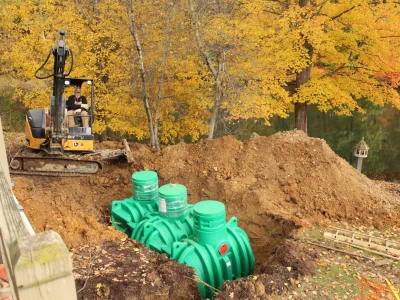
Buying a home with a private septic system is different from buying one connected to a municipal sewer, and the difference matters most before closing, not after. A septic system is buried, largely invisible, and easy to overlook during a rushed transaction. It can also become one of the most expensive surprises a buyer inherits. Roof problems show themselves. Cracks in foundations tend to leave clues. Septic failures often stay hidden until a backup, soggy yard, foul odor, or failed inspection forces the issue.
That is why septic services and pre-purchase inspections deserve the same attention buyers give to the structure, electrical panel, and HVAC equipment. A functioning septic system is not a luxury item. It is basic infrastructure. If it is undersized, poorly maintained, illegally altered, or nearing the end of its useful life, the cost can range from an inconvenient repair bill to a full replacement that lands squarely in the five figures.
The buyers who fare best are not the ones who panic at the word septic. They are the ones who know what to ask, what kind of inspection to order, and how to read the findings with some practical judgment.
Why septic deserves its own due diligence
A general home inspection is valuable, but it rarely goes deep enough on a septic system. Most home inspectors are clear about their limits. They may note signs of concern, such as slow drains or wet areas in the yard, but they usually do not excavate lids, measure sludge levels, evaluate the drain field in detail, or confirm the exact condition of underground components. That work belongs to specialists who provide septic services, including pumping, locating tanks, camera scoping lines, testing pumps and alarms, and evaluating the overall system.
I have seen buyers assume that because the toilets flush during a showing, the septic system must be fine. That assumption is expensive. A septic system can appear to work normally for a weekend, or even for months, while still failing below grade. Sellers may not even realize there is a problem if the home has been lightly occupied. A retired couple can live for years with a marginal system that starts failing as soon as a family of five moves in.
That occupancy shift is one of the most common blind spots in rural and semi-rural purchases. Septic systems are sized according to expected wastewater flow, often tied to bedroom count and local code assumptions. If the home was expanded without a proper septic upgrade, or if records do not match the house as it exists today, the system may be inadequate from day one.
What a septic system inspection should actually cover
Not all septic inspections are equal. Some are little more than a pump-out with a quick visual opinion. Others are methodical and document-heavy. For a buyer, the better inspection usually includes locating and opening the tank, measuring solids and scum levels, checking inlet and outlet baffles, looking for cracks or root intrusion, verifying the condition of effluent filters if present, and assessing whether wastewater is moving properly to the next component.
If the property has a pump chamber, mound system, aerobic treatment unit, or advanced treatment setup, the inspection should go beyond the tank. Pumps, floats, alarms, control panels, and electrical connections need to be tested. If the home relies on a drain field, the inspector should look for signs of hydraulic failure such as standing water, sewage odors, spongy soil, or evidence of surfacing effluent. Depending on site conditions and local standards, dye testing or hydraulic loading may be discussed, though those methods have limits and are not universally favored.
Records matter almost as much as the fieldwork. A strong pre-purchase inspection also tries to confirm the permit history, design capacity, age of the system, and any repair or replacement work performed over the years. In some counties, those records are easy to obtain. In others, they are incomplete or nearly nonexistent, especially for older homes. Missing records do not automatically mean a bad system, but they do increase uncertainty, and uncertainty should affect how a buyer negotiates.
One small but telling detail is whether the tank lids are accessible. Older systems often have buried lids several feet down. That makes routine pumping more difficult and sometimes discourages proper maintenance. Risers are not glamorous, but they are practical. If a tank is otherwise sound, adding risers and secure lids can make future service much easier and safer.
The difference between maintenance and condition
A recently pumped tank is not the same thing as a healthy septic system. This gets misunderstood all the time. Pumping removes accumulated solids from the tank. It does not repair a failed drain field, replace a broken baffle, fix a collapsed line, or correct poor site drainage. A seller who says, “We just had it pumped,” may be describing good maintenance, or they may be masking symptoms they were worried about. The receipt alone does not tell you which.
That is why the timing of septic services matters. If the tank was pumped just before the inspection, some visual evidence of chronic problems can be harder to evaluate. On the other hand, an unpumped tank can hide outlet conditions under heavy solids. An experienced inspector can explain the trade-off and decide whether pumping should happen as part of the inspection process rather than beforehand.
Buyers should also understand that septic systems are not immortal. A well-built conventional system may serve for decades with proper care, but soil conditions, groundwater levels, usage patterns, tree roots, grease loading, and deferred maintenance all affect lifespan. There is no honest universal number. Two systems installed the same year can be in very different shape by the time a property goes on the market.
Red flags that deserve a closer look
Some warning signs are obvious once you know to look for them. Others are subtle. A lush green strip of grass in dry weather over the drain field may look attractive, but it can signal excess moisture. Persistent odors near the tank or field are never normal. So are recurring drain backups, gurgling fixtures, or a seller who describes the plumbing as “a little quirky.”
Here are a few pre-purchase red flags worth taking seriously:
- No records of installation, pumping, or repair on an older home
- Recently disturbed soil near the tank or drain field without a clear explanation
- Additions, extra bathrooms, or converted spaces that may have changed occupancy
- Water stains or sewage odors in the basement or crawlspace
- An asking-price strategy that seems designed to move the property unusually fast
None of these proves failure by itself. Together, they should push a buyer toward a more rigorous inspection and more conservative negotiating posture.
Why local knowledge matters more than generic advice
Septic work is intensely local. Soil type, topography, frost depth, water table, permit rules, and system design standards vary from one county to the next. A sandy site drains differently from heavy clay. A lakeside lot behaves differently from a high, dry parcel on a slope. In one region, gravity systems may dominate. In another, pressure distribution, sand filters, or aerobic treatment may be common.
That local context changes how inspection findings should be interpreted. For example, a small amount of moisture near a drain field might be less alarming after heavy rains on dense clay soils than it would be during a dry spell on well-draining ground. Likewise, a pump replacement on a complex advanced system may be routine maintenance, while repeated pumping to avoid backups is a symptom of a deeper problem.
This is where reputable local septic services earn their value. A contractor who works in the immediate area often knows the older subdivisions with chronic limitations, the road where shallow bedrock complicates replacement, or the neighborhoods where permit records from the 1980s are notoriously thin. That kind of practical memory does not replace a formal inspection, but it can sharpen your questions.
What buyers should ask before the inspection
The right questions can save time and force useful disclosures. Start with the simple facts. Ask the seller how old the system is, when it was last pumped, whether any part has been repaired or replaced, and whether there have ever been backups, odors, wet spots, or alarm issues. Ask how many people have been living in the house and whether the home has had additions, finished basements, or extra bedrooms added over time.
Then ask what type of septic system is installed. Many owners do not know, which is common, but not ideal. A home with a straightforward gravity system is one thing. A home with pumps, pretreatment components, timers, or service contracts needs a little more buyer education. Those systems can perform very well, but they require more attention.
Ask whether there are documents showing design capacity. If the house is marketed as four bedrooms but the septic permit is for three, that discrepancy is not a technical footnote. It can affect financing, occupancy, resale, and whether the system is legally adequate for the property as represented.
The inspection report is only the beginning
A septic report rarely gives buyers the emotional clarity they want. Instead of a crisp pass or fail, many reports contain measured language. Components may be described as functional at the time of inspection, showing age, needing maintenance, or warranting monitoring. That ambiguity frustrates buyers, but it reflects the reality of buried infrastructure. Inspectors can evaluate condition and visible performance. They cannot promise how long a drain field will last under future use.
The key is learning how to sort findings into categories. Some issues are straightforward maintenance items, such as installing risers, cleaning an effluent filter, or replacing a cracked lid. Some are moderate repairs, like replacing a pump, repairing a broken baffle, or correcting a wiring issue at the alarm panel. Others suggest major financial exposure, particularly anything pointing to drain field failure, undersized design, sewage surfacing, or inability to verify legal compliance.
When I review septic findings with buyers, I often tell them to focus less on whether the system is perfect and more on whether the risk is knowable, manageable, and priced correctly. An older system with good records, no visible failure, and a realistic seller credit can still be a reasonable purchase. A murky situation with missing permits, soft ground over the field, and a seller unwilling to allow full inspection is a different story.
Negotiating after a septic issue surfaces
A septic problem discovered during due diligence does not always kill the deal. It changes the deal. The response depends on the severity of the problem, local replacement costs, and how constrained the site is. On a large, workable lot, replacement options may be relatively straightforward. On a small property near a lake, wetland, or property line, replacement can become more expensive and more uncertain.
Buyers usually have a few practical negotiation paths:
- Ask the seller to complete repairs using licensed septic services before closing
- Request a credit or price reduction based on written estimates
- Escrow funds when weather or permitting delays make immediate work unrealistic
- Renegotiate timing so permits and designs can be evaluated before closing
- Walk away if the risk is too high or the site may not support replacement
The best option depends on who controls the work and how much trust exists in the transaction. Seller-completed repairs can be convenient, but buyers should insist on documentation, permits where required, and proof that work was done by qualified professionals. A credit gives buyers more control, though the actual cost can exceed estimates if hidden conditions appear after excavation.
One pattern I have seen repeatedly is underestimating the total replacement picture. Buyers hear “new septic” and think only about the tank and field. They do not factor in design fees, permits, electrical work for pumps, tree removal, restoring driveways or landscaping, and temporary accommodations if the home cannot be occupied during certain stages. Even a moderate project can widen quickly.
Financing, insurance, and regulatory complications
Septic issues can affect more than the sale price. Some lenders, especially in certain loan programs, may require a working septic system or a passing inspection before closing. Local health departments may have transfer requirements, point-of-sale inspections, or mandatory disclosures. If the home is in a sensitive watershed or coastal zone, standards may be stricter and upgrade requirements more expensive.
Insurance usually does not rescue buyers from long-term wear or neglected maintenance. Home warranty plans often provide little real protection for septic failures, especially drain field issues. Buyers who assume they can “deal with it later” sometimes discover that later collides with lending conditions, occupancy permits, or immediate repair obligations.
If you are buying a property intended as a short-term rental, multi-generational home, or primary residence with heavy occupancy, the septic design capacity becomes even more important. The system has to support the way the home will actually be used, not just the way the last owner happened to use it.
A short word on older systems and cesspools
Some older homes still have systems that do not meet modern standards, including metal tanks, undersized fields, or cesspools in jurisdictions where they are no longer allowed for sale or continued use. These situations require especially careful handling. A system can be functioning enough for day-to-day living and still trigger mandatory upgrade rules when the property transfers.
That is one reason buyers should resist vague assurances like “it’s old, but it works.” Age by itself is not a deal breaker. Unknown design, obsolete components, and noncompliance can be. When the property has a very old system, the smartest move is often to treat the purchase analysis as if replacement may be around the corner, then let the inspection and local authority records narrow the risk from there.
How to choose the right septic inspector or contractor
The cheapest inspection is often the least informative. Buyers need someone who is comfortable explaining not just what they found, but also what they could not verify and why. Clarity matters. So does independence. In many markets, it is wise to hire your own https://daltonbock873.nexorafield.com/posts/how-to-compare-quotes-for-septic-services septic professional rather than rely only on a seller-provided report.
Look for a company that regularly handles septic services in that county, knows local permitting practices, and can provide a written report detailed enough to support negotiations. A good septic inspector will not oversell certainty. They will tell you where the evidence points, where the gray areas remain, and which next steps make sense.
That judgment is especially valuable on difficult properties. I remember one purchase where everything looked ordinary at first glance. The home sat on a wooded lot, nicely landscaped, no visible wet spots, no odors. The septic inspection, however, uncovered a mismatch between the permitted bedroom count and the actual layout after a finished attic conversion. Nothing was actively failing, but the buyer intended to use every sleeping space. That changed the whole risk profile. The eventual solution was not to abandon the deal. It was to renegotiate based on the real occupancy limits and the likely cost of a future upgrade if the buyer wanted legal expansion.
The real cost of skipping the inspection
Most buyers do not skip septic inspections because they are careless. They skip them because the market is competitive, closing timelines are tight, or the property “seems fine.” The trouble is that septic defects do not care how competitive the market feels. Once you own the house, the problem is yours.
Replacing a failed system can cost several thousand dollars on the low end for limited repairs, and well into the tens of thousands for full redesign and replacement, especially where advanced treatment is required. There is also the softer cost, which people underestimate until they live through it: disrupted move-in plans, torn-up yards, permit delays, contractor scheduling, and the stress of dealing with a sanitation problem at the same time you are trying to settle into a new home.
Compared with that, the cost of competent septic services during due diligence is modest. More importantly, it buys leverage. Before closing, you can still negotiate. After closing, you can only pay.
Buying with confidence, not blind optimism
A septic system should never be a mysterious box beneath the yard that everyone agrees not to discuss too closely. It is a critical utility, and buyers should treat it that way. The right inspection will not eliminate all uncertainty, but it will replace guesswork with facts, context, and options.
That is ultimately the goal in any smart home purchase. Not perfection, not panic, just a clear-eyed understanding of what you are buying. When septic services are brought into the transaction early, buyers are far less likely to inherit hidden problems and far more likely to make a decision that fits both their budget and their tolerance for risk.
If the house is right, the land works, and the septic findings are manageable, you move forward with confidence. If the system is failing or the records do not support the home as marketed, you have learned that before your signature turns a warning into an expense. That is money well spent, and in many cases, the difference between buying a home and buying a problem.
Excavating New Jersey LLC
Address: 406 County Rd 565, Wantage, NJ 07461
Phone number: +19737914284
FAQ About Septic Services
What is the average cost to get a septic tank emptied?
Emptying a septic tank costs between $290 and $560 on average, with most homeowners paying about $420. Prices vary based on tank size.
What is septic service?
Septic service inspects, pumps, cleans, and maintains a septic tank. A septic tank is a large, underground container that collects and treats wastewater from your home. Over time, sludge, scum, and other debris, like hair and solids, can build up in your tank and clog your drain field.
How often should you have a septic tank serviced?
A standard septic tank should be inspected every 1 to 3 years and pumped every 3 to 5 years. However, the exact schedule depends on your tank's capacity, household size, and daily water usage.