How Proper Use Protects Your Norweco Singulair Green System in Wantage NJ


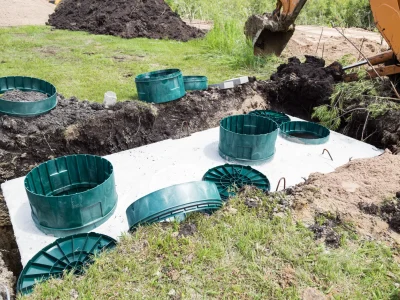
A Norweco Singulair Green system is not a passive tank you can forget about for years at a time. It is a working treatment unit, more like a small appliance tied to your plumbing than a conventional septic tank buried in the yard. When homeowners understand that distinction, the system usually performs well. When they treat it like a bottomless pit, trouble tends to follow.
That difference matters in Wantage, NJ, where many properties rely on onsite wastewater treatment and where seasonal weather, occupancy swings, and well water habits can all affect performance. A properly used system protects water quality, reduces odor and surfacing issues, and helps you avoid repairs that are often far more expensive than routine service. It also gives the treatment process a fair chance to do what it was designed to do.
The phrase norweco singulair green Wantage NJ often comes up when homeowners are trying to understand whether their system problems are mechanical, biological, or simply the result of daily use. In my experience, daily use is often the hidden factor. People assume the equipment failed first, when in many cases the biology was stressed long before the alarm ever sounded.
Why proper use matters more than most owners realize
A Singulair Green system uses aerobic treatment. That means the unit depends on air, circulation, settling, and a living bacterial population to break down wastewater. If those conditions stay stable, treatment can be very effective. If they are repeatedly disrupted by chemical shock, hydraulic overload, or neglect, the system starts losing efficiency.
The easiest comparison is a fish tank with expensive filtration. If the water chemistry stays within a healthy range and the filter runs as intended, the tank stays balanced. Dump bleach into it, overfeed it, cut the power, and ignore maintenance, and the whole environment shifts quickly. Wastewater treatment is not identical, but the logic is similar. The bacteria are doing real work, and they need a consistent environment.
That is why improper use often shows up first as subtle decline rather than dramatic failure. You may notice a faint odor near the unit, toilets that seem sluggish on high-use days, a control panel light, or a service technician telling you the tank contents do not look right. Those are not random annoyances. They are signals that the treatment process has been pushed off balance.
What your system is actually trying to do every day
Household wastewater arrives carrying solids, organic material, soaps, detergents, and whatever else residents send down drains and toilets. Inside the Singulair Green process, those materials are separated and treated through a combination of settling and biological activity. Aeration supports bacteria that thrive in oxygen-rich conditions and can break down waste faster and more thoroughly than what happens in a traditional septic tank alone.
That treatment process works best when wastewater enters the system in a reasonably steady pattern. A normal family routine, showers in the morning, dishes after dinner, laundry spread across the week, is manageable. A weekend where every load of laundry, every long shower, and all the cleanup from a party hit the unit within a few hours is much harder on it.
This is one of the biggest misunderstandings homeowners have. They think the daily total is all that matters. In reality, timing matters too. Two hundred gallons spread over a day is not the same as two hundred gallons dumped in a short burst. Aerobic systems can recover from busy periods, but repeated surges shorten the margin for error.
The habits that protect the biology inside the unit
Good system care is less glamorous than repairs, but it saves more money. Most homeowners do not need to become treatment experts. They just need to avoid the patterns that damage the internal biology or overload the hydraulic capacity.
The following habits make the biggest difference:
- Spread out laundry loads instead of washing everything in one afternoon.
- Use septic-safe common sense with cleaners, meaning moderate amounts rather than constant heavy disinfection.
- Keep grease, wipes, paper towels, hygiene products, and harsh chemicals out of drains and toilets.
- Fix running toilets and leaking fixtures quickly so the system is not processing clean water all day.
- Maintain power to the unit and respond promptly if an alarm or warning light appears.
None of these steps is exotic. What matters is consistency. A homeowner who does ordinary things correctly for years usually gets better performance than someone who spends money on additives while flushing wipes and overusing bleach.
What should never go into a Singulair Green system
People tend to focus on solids, and solids do matter, but some of the worst damage comes from what dissolves. Paints, solvents, pesticides, automotive fluids, and strong drain chemicals can seriously disrupt the biological process. Even products sold in regular stores can be too aggressive if used in large quantities or too often.
Disinfectants are a common gray area. A normal amount of household cleaner used as directed is usually not the problem. The problem is repeated shock loading, especially when people pour concentrated cleaners down drains or sanitize everything as if the plumbing were a garbage disposal for chemicals. If a bathroom gets deep-cleaned with several strong products and then that rinse water heads to the treatment unit, the bacteria pay the price.
Garbage disposals deserve attention too. Some homes with advanced treatment systems use them without obvious short-term issues, but they increase the organic load significantly. More food solids in the wastewater means more work for the system, more sludge accumulation, and less forgiveness for other poor habits. If a household already cooks heavily, entertains often, or has a history of service calls, reducing disposal use can help.
Fats, oils, and grease remain a classic offender. They cool, congeal, and interfere with treatment. A pan that looks empty may still send a meaningful grease load if it is rinsed under hot water. Wiping cookware into the trash before washing is a small habit that pays off.
Water use patterns are a quiet form of system abuse
Homeowners often ask whether a Norweco Singulair Green system in Wantage NJ can handle a large family. Usually the answer depends less on head count than on behavior. A well-used, properly maintained system can support busy households. A smaller household can still create problems if it uses water recklessly or inconsistently.
I have seen plenty of systems stressed by what looks harmless from inside the house. A running toilet can send hundreds of gallons a day into treatment. One worn flapper can turn an otherwise healthy setup into a constant overload condition. Likewise, an old softener that regenerates too frequently, or a sump pump tied where it should not be, can create continuous unnecessary flow.
Then there is the weekend reset problem. In many homes, Saturday becomes cleaning day, laundry day, long shower day, and guest day all at once. The system gets hit with detergent-rich water, high volume, and sudden solids loading in a compressed window. It may recover, but if that pattern repeats, treatment quality often slips.
In Sussex County communities such as Wantage, some properties also see seasonal occupancy changes. Summer visitors, holiday guests, or short periods of heavy use after quiet stretches can upset the balance. The bacteria need food, but they also need stable conditions. Long underuse followed by sudden overload is not ideal.
Local conditions in Wantage can magnify small mistakes
Every treatment system lives in a local context. In Wantage, cold winters matter. Freeze-thaw cycles affect soils, piping, and sometimes homeowner attention. If an alarm sounds during a January cold snap, some owners hope it can wait until spring. That delay can turn a manageable service visit into a bigger issue.
Rural properties also tend to have more variables around power reliability, drainage patterns, and who notices subtle warning signs. A brief outage may not be catastrophic, but repeated outages or a tripped breaker norweco singulair green Wantage NJ left unchecked can interrupt aeration long enough to stress the treatment process. Since the system depends on mechanical components, electricity is not optional.
Wet weather can complicate diagnosis too. Homeowners sometimes assume a soggy area means rain alone, while a technician may find that high water conditions are exposing an underlying treatment or dispersal issue. The point is not that every wet patch signals failure. The point is that proper use inside the house gives the system its best chance outside the house when environmental conditions are less forgiving.
The role of regular service, and why pumping is not the whole story
A Singulair Green unit should be inspected and maintained according to manufacturer guidance and local requirements. That generally includes checking aeration components, controls, sludge levels, and overall operation. Too many owners reduce maintenance to one question: “When do I pump it?” Pumping matters, but it is only one part of ownership.
Aerobic treatment systems have moving parts and electrical controls. A blower or compressor can weaken before it quits entirely. A float can stick. A timer or alarm can signal developing trouble. If those things are caught early, service is usually straightforward. If they are ignored, the biology declines, solids carry over where they should not, and the consequences spread.
This is another area where experience matters. A good service provider does more than look for a full tank. They read the condition of the system. Wastewater has a normal appearance at different stages of treatment, and when something looks off, there is usually a story behind it. Maybe the house hosted ten guests for a week. Maybe someone used the wrong cleaner repeatedly. Maybe the blower ran weak for a month. You can often connect the visual condition back to real household behavior.
Red flags homeowners should not ignore
Most serious failures are preceded by clues. They may be easy to dismiss, especially if the system still seems to “work,” but the earlier you respond, the better your options.
Watch for these warning signs:
- Persistent sewage or musty odors near the tank area, treatment unit, or discharge point.
- Alarm lights, audible alerts, or breakers that trip again after being reset.
- Slow drains or toilets throughout the house, especially when paired with wet ground outside.
- Unusually lush or soggy patches near the system, not explained by normal irrigation or rainfall alone.
- A sudden change in how often the unit needs attention, pumping, or service calls.
One odor on a hot afternoon does not guarantee a major problem. One slow toilet may just be a local clog. What matters is the pattern. If symptoms repeat, line up with weather events, or appear together, the system deserves prompt evaluation.
The flushable wipe problem, still very real
Despite years of public discussion, flushable wipes remain one of the most stubborn sources of avoidable trouble. They do not break down like toilet paper, and they have a talent for getting hung up in places where they create headaches for owners and technicians alike. In advanced treatment systems, wipes can interfere with pumps, floats, and settling zones, or simply add to solids handling problems that should never have existed.
I once looked at a system where the homeowner insisted the unit “just wasn’t built right.” The service history showed recurring issues over a relatively short period. Nothing dramatic was visibly broken at first glance. Then the pumping and inspection told the story. Wipe accumulation had become part of the system’s normal operating environment. Once the household changed habits and the unit was properly serviced, the pattern of trouble eased. The hardware was not the root problem. The usage was.
The same logic applies to paper towels, cotton products, dental floss, and hygiene items. If it did not come out of your body and is not regular toilet paper, it has no business being flushed.
Cleaning products, medications, and kitchen shortcuts
Homeowners often ask for a perfect list of approved and forbidden products. Real life is not that tidy. The better rule is to avoid extremes. Moderate use of ordinary household cleaners is one thing. Dumping leftover chemicals into the drain because “it all goes to the same place anyway” is another.
Unused medications should not be flushed unless specific guidance says otherwise. They can disrupt treatment and introduce compounds that the system was never meant to handle. The same goes for concentrated antibacterial products used excessively.
Kitchen shortcuts cause their own category of damage. Rinsing greasy pans, scraping plate waste into the sink, or using hot water to “melt away” fats only transfers the problem downstream. What disappears from the kitchen sink does not disappear from the treatment process. It just arrives there in a form that is harder to manage.
Occupancy changes and vacations need a little planning
Systems behave best with steady, moderate input. Vacant periods are not always harmful, but they change the biological rhythm inside the unit. If a house sits empty for an extended time and then reopens with heavy use, expect the treatment process to need a little time to normalize.
That does not mean owners should overthink every weekend trip. It does mean that vacation homes, inherited properties, and homes with irregular occupancy deserve more awareness. If a property in Wantage is used lightly for weeks and then fills with guests, it helps to ease back into heavier water use rather than stacking laundry, bathing, and cleanup into the first evening.
If you are leaving for a long period, keep service intervals in mind, maintain electrical supply unless a qualified professional advises otherwise, and make sure someone can respond if an alarm is triggered. Advanced treatment units are not systems you want to abandon blindly for months.
Additives rarely fix bad habits
The market for septic and wastewater additives has always been noisy. Some products make broad promises about restoring bacterial balance, eliminating pumping, or solving odor instantly. In practice, additives rarely overcome the damage caused by poor use, deferred service, or mechanical trouble.
A healthy Singulair Green system already has the biological process it needs when it is operated and maintained properly. If there is a known manufacturer recommendation for a specific situation, follow that guidance. Otherwise, be skeptical of miracle bottles. Owners can spend years chasing simple operational problems with retail products that do little or nothing.
The boring answer is usually the right one: correct the use pattern, inspect the equipment, service the system, and then reassess.
Protecting your investment over the long term
A Norweco Singulair Green unit is a real investment in your property, and like most infrastructure, it rewards owners who pay attention before something fails. Proper use does not require special talent. It requires discipline with water, restraint with chemicals, and timely response when the system signals that it needs help.
For homeowners searching for guidance on norweco singulair green Wantage NJ, the most useful mindset is simple. Treat the system as active equipment, not buried magic. Every shower, load of laundry, cleaner, and flush becomes part of the treatment environment. Small choices accumulate, either in your favor or against it.
When owners respect that reality, these systems often serve them well. The lawn stays dry where it should stay dry. Odors stay absent. Service visits stay routine instead of urgent. And the treatment process, which operates quietly and out of sight most days, gets the stable conditions it needs to protect both the home and the surrounding environment.
Excavating New Jersey LLC
406 County Rd 565
Wantage, NJ 07461, United States
Phone: +1 (973) 791-4284
FAQ About norweco singulair green Wantage NJ
How does a Norweco septic system work?
Singulair Green uses aerobic biological treatment in a polyethylene tank, followed by settling and filtration. The treatment unit is one part of a complete wastewater system; the site design also determines how treated effluent is dispersed.
How much does a Norweco septic system cost in NJ?
A useful estimate requires a property evaluation. Excavation access, soil conditions, engineering, electrical work, the disposal field, and restoration can affect the total. Ask Excavating New Jersey LLC for a written scope that distinguishes installation costs from ongoing service costs.
Are Norweco septic systems good?
Singulair Green is an established aerobic treatment option, but suitability depends on the property and proposed design. Compare the model's documented performance, maintenance needs, and total project scope with alternatives before deciding.