Choosing the Right Service Plan for Norweco Singulair Green in Wantage NJ
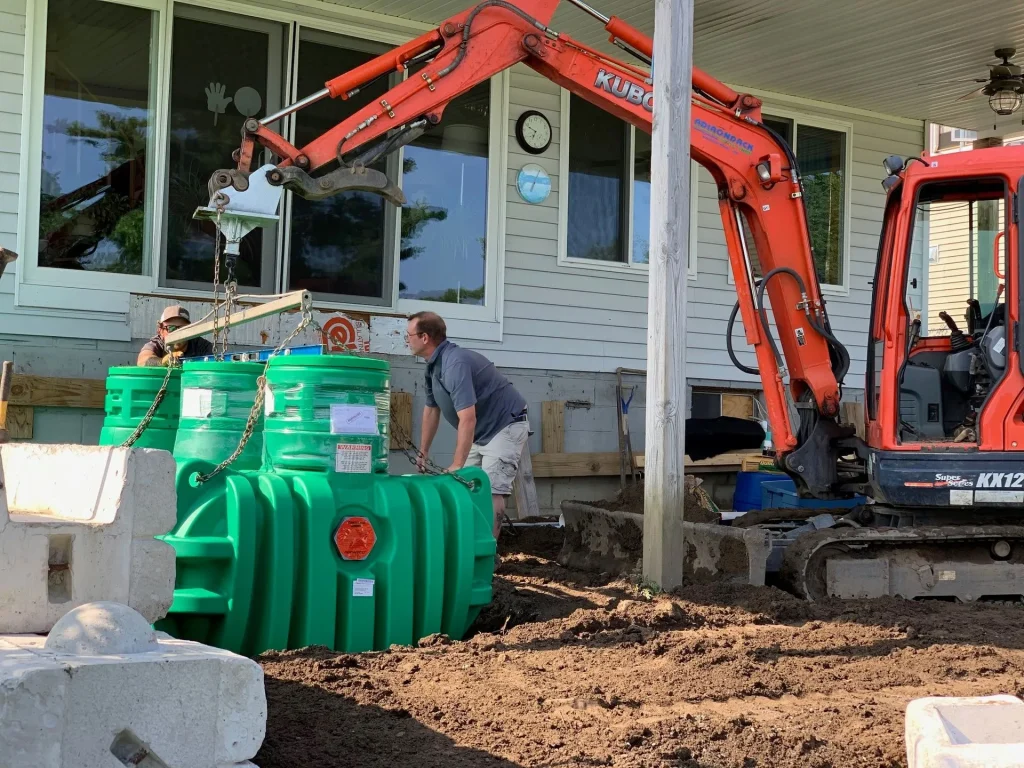

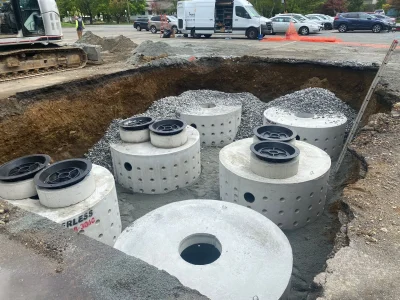
A Norweco Singulair Green system is not a passive septic tank you can forget about for years at a time. It is a treatment system with mechanical and electrical components, and it performs best when someone with the right training checks it regularly, adjusts it when needed, and catches small issues before they turn into unpleasant and expensive ones. That matters everywhere, but it matters even more in a place like Wantage, where many properties sit on larger lots, private wells are common, and homeowners expect wastewater treatment equipment to work quietly in the background through winter freezes, spring rains, and power interruptions.
If you are comparing service plans for a norweco singulair green Wantage NJ installation, the temptation is to focus on the annual price alone. I understand why. A service contract can look like one more recurring home expense in a region where homeowners are already budgeting for heating oil or propane, well pumps, snow removal, and property upkeep. Still, the cheapest plan on paper is not always the lowest-cost choice over five or ten years. The real question is whether the plan matches how your system is used, how old it is, and how quickly you want support when something seems off.
Why service planning matters more than most owners expect
A conventional septic tank has few moving parts. A Singulair Green system is different. It relies on treatment processes that need airflow, circulation, and routine observation. The service provider is not just checking a box. A good technician is looking at whether the aeration equipment is operating properly, whether sludge levels are trending higher than expected, whether filters or related components need cleaning, and whether the system is showing subtle signs of stress.
Most owners do not notice those early signals. They usually discover a problem after an alarm sounds, drains slow down, toilets start acting oddly, or the area around the system gets wetter than it should. By then, what could have been a routine adjustment can turn into an emergency call, a damaged component, or a compliance issue if the discharge quality is affected.
In Wantage, there is another practical layer. Properties are often more spread out than they are in denser suburbs, which can affect response times and travel costs. Some homes are occupied by large families year-round. Others may have periods of lower use, then sudden spikes when guests arrive. Both patterns affect treatment performance. A one-size-fits-all service plan rarely fits as well as it seems in the sales brochure.
Start with the way your household actually uses the system
Before you compare providers or contract tiers, look at your own water use honestly. That sounds obvious, but many people estimate based on the number of bedrooms and stop there. Real system demand is shaped by behavior.
A home with two adults who both work outside the house may put less stress on the system than a home with the same bedroom count but remote workers, teenagers, frequent laundry cycles, and weekend visitors. I have also seen systems in excellent mechanical condition struggle simply because the household pattern changed. A finished basement added a bathroom. An elderly parent moved in. A home office brought full-time occupancy where there had once been daytime vacancies.
That matters because a service plan should reflect risk. If your system sees heavy daily use, you benefit from more frequent professional eyes on it. If your occupancy is light and consistent, a more basic plan may be sufficient, provided it still includes the essentials and a realistic response process for alarm conditions.
The age of the unit matters too. A newer Singulair Green installation often does well with standard scheduled maintenance if it was installed correctly and household habits are reasonable. An older system, even one that has been cared for, may justify a plan with stronger coverage for labor, more frequent inspections, or discounted replacement parts.
What a strong service plan usually includes
Homeowners sometimes hear the phrase "annual service" and assume all contracts cover roughly the same work. They do not. One plan may offer a couple of scheduled inspections and little else. Another may include routine service visits, priority response, alarm troubleshooting, operational testing, and preferred pricing on common repairs.
At a minimum, a worthwhile plan should spell out how often the system will be inspected and what those visits involve. You want specifics, not vague promises. A meaningful visit usually includes observation of system operation, checking critical components, verifying that the treatment process appears healthy, and documenting conditions that could affect performance. If the provider uses plain-language notes instead of cryptic internal shorthand, that is a good sign. Homeowners should be able to understand what was found and what may need attention down the road.
It is also smart to ask whether the plan includes only scheduled maintenance or whether it also addresses unscheduled calls. This is where contracts can differ sharply. One company may include limited troubleshooting at no additional labor cost during normal business hours. Another may charge full labor for any problem that appears between inspections. Neither approach is inherently wrong, but you should know which one you are buying.
The biggest differences between basic and premium plans
In practice, service plans tend to fall into three broad categories: bare-minimum compliance coverage, standard maintenance coverage, and more comprehensive support. Companies may use different names, but the structure is familiar.
A basic plan usually handles the minimum scheduled service required by the provider or local expectations. It can be suitable for a newer system with predictable usage and an owner who understands that repairs will be billed separately. The upside is a lower annual cost. The downside is exposure. If an alarm goes off in the middle of a busy season, the savings can disappear quickly.
A standard plan often hits the sweet spot for owner-occupied homes in Wantage. It typically includes regular inspections, routine adjustment or cleaning of serviceable components during those visits, and some level of norweco singulair green Wantage NJ reduced-fee support if a problem develops. For many households, this is the most sensible balance between cost and protection.
A premium plan usually makes sense for higher-use homes, older systems, owners who travel frequently, or anyone who wants fewer billing surprises. It may include priority scheduling, stronger labor coverage, and in some cases discounts or allowances for common parts. That does not mean every premium plan is worth the extra cost. Some are padded with benefits owners rarely use. The key is to compare real value, not just labels.
The local realities in Wantage that should shape your choice
Service planning for a norweco singulair green Wantage NJ property should account for more than the equipment itself. Sussex County living brings some conditions that can affect maintenance needs and response priorities.
Winter can be hard on any system that depends on uninterrupted operation. Cold weather alone is not the enemy when equipment is installed and maintained properly, but freeze-thaw cycles, reduced occupancy in some homes, and occasional power disruptions can expose weak points. A homeowner with a long driveway and a property tucked well off the road may not think much about winter access until a service call is needed after a storm. In that situation, a provider with a strong local footprint often delivers more practical value than a slightly cheaper company that covers a larger territory less efficiently.
Spring can bring heavy rain and saturated ground. That does not automatically mean trouble for a treatment unit, but wet conditions can reveal drainage issues, access challenges, or neglected maintenance. During those periods, response time matters. If a plan gives you no clear path for getting help promptly, the low annual fee starts to look less attractive.
Rural and semi-rural properties also tend to have more variables around landscaping, surface runoff, outbuildings, and utility access. I have seen homeowners accidentally complicate service by building around components, burying access too deeply, or planting too aggressively near treatment areas. A good service provider notices those risks early and says something before it becomes a bigger project.
Questions worth asking before you sign a contract
Many homeowners focus on price and visit frequency, then realize later they did not ask how the company handles the situations that create the most stress. A better conversation gets into details.
Here are the questions that usually reveal the most:
- How many scheduled visits are included each year, and what is done during each visit?
- What happens if an alarm activates between scheduled service calls?
- Are labor, travel, and common replacement parts billed separately, or are any of them included?
- Do you provide written service records with notes the homeowner can understand?
- How quickly do you typically respond to service calls in Wantage and nearby areas?
Those five questions can save a lot of frustration. They push the discussion past marketing language and into day-to-day reality. If the answers are vague, that is a clue in itself.
Read the exclusions carefully, because that is where cheap plans get expensive
The annual fee is only part of the story. Exclusions determine what you truly own versus what you thought you owned. A low-priced contract may look competitive until you learn that alarm calls, weekend dispatches, travel time, winter emergency visits, and many common repairs are all outside the plan.
Homeowners often miss another important point: some problems are operational, and some are usage-related. If the system is stressed by wipes, grease, disinfectant overuse, water softener discharge patterns, or chronic hydraulic overload, the provider may not treat corrective work as standard maintenance. That is not unfair. It is simply how service contracts work. The contract supports the equipment, but it does not erase the consequences of misuse.
This is why a provider’s willingness to educate the homeowner matters. Good service companies explain what not to flush, how to space out laundry loads, why leaking fixtures matter, and when pumping may be needed. A poor company treats the contract like a recurring invoice and says little unless something breaks.
Pumping is related, but not always part of the service plan
This is one of the most common points of confusion. Regular service and septic pumping are connected, but they are not the same thing. A Norweco Singulair Green system still requires solids management. Inspection visits can help determine when pumping is likely needed, but pumping itself is often billed separately unless a very specific contract says otherwise.
That does not mean a separate pumping charge is a red flag. In many cases, it is the normal arrangement. What matters is whether your service provider is monitoring conditions well enough to make sound recommendations. Pump too late and you risk system performance. Pump too early and you spend money sooner than necessary. The right timing depends on occupancy, usage, and the system’s observed condition over time.
For many families, a sensible provider will discuss pumping in terms of trends rather than rigid dates. That is usually a better approach than someone claiming every home should pump on the exact same schedule regardless of size or lifestyle.
Signs you may need more than the cheapest plan
A stripped-down service contract can work, but only under the right circumstances. Some homes simply have more operational risk than others.
You should lean toward a stronger plan if any of these apply:
- Your household size is large or fluctuates often with guests, tenants, or multigenerational living.
- The system is no longer new, and you want protection from surprise labor costs.
- You travel often and need dependable local support when no one is home to monitor the property closely.
- The property is difficult to access, especially in winter or wet weather.
- You have already had alarms, nuisance issues, or inconsistent performance in the past.
None of those factors guarantee trouble. They do increase the value of faster service, better documentation, and more robust coverage.
Why provider quality often matters more than plan branding
Two companies can both offer a "gold" or "preferred" service plan, and the actual homeowner experience can be completely different. The difference usually comes down to technician skill, scheduling discipline, communication, and familiarity with the local service area.
A good technician does more than perform a checklist. They notice patterns. They remember that norweco singulair green Wantage NJ your pump chamber was noisy last visit, that your household added a new bathroom, or that the access lid tends to collect runoff after a storm. That kind of practical continuity is worth a lot. It leads to better recommendations and fewer surprises.
Communication matters just as much. Homeowners should not have to decode whether a note means "everything is fine" or "you may have a repair coming." Clear records, prompt call-backs, and realistic scheduling are signs of a company that is organized enough to support what it sells.
There is also value in local familiarity. A provider who regularly services norweco singulair green Wantage NJ systems is more likely to understand the seasonal conditions, common property layouts, and service logistics that affect real-world maintenance. That does not guarantee quality by itself, but it often makes service smoother.
A simple way to compare total value over time
If you are torn between two plans, stop looking only at the annual fee. Spread the decision over three to five years and estimate the likely extras. Think about scheduled visits, likely alarm calls, expected labor exposure, and how the provider handles common issues. The difference can be eye-opening.
For example, a lower-cost plan that leaves all unscheduled service to billable labor may cost less in a quiet year, then cost much more the first time a component fails or an alarm requires prompt troubleshooting. A moderately priced plan with stronger included support may end up cheaper over a realistic ownership period, even if the annual number is higher.
This is especially true for owners who dislike uncertainty. Some people are comfortable accepting occasional repair bills if it lowers fixed annual costs. Others would rather pay more upfront for predictability. Neither approach is wrong. The right plan is the one that fits both the equipment and the owner’s tolerance for risk.
What a well-run maintenance visit should feel like
A service visit should not feel mysterious. The technician arrives, performs the work, documents the findings, and leaves you with a clear picture of system condition. If there is a concern, you should hear whether it is urgent, worth watching, or simply part of normal aging.
In well-managed service relationships, the homeowner gradually builds a maintenance history. That record becomes useful when occupancy changes, when a property is sold, or when a recurring symptom appears. It also helps prevent overreaction. Not every alarm condition means disaster. Not every strange noise means failure. With solid records and a technician who knows the system, many issues are easier to diagnose and address calmly.
That kind of confidence is one of the hidden benefits of choosing the right service plan. You are not just buying visits. You are buying context, continuity, and better decision-making.
Choosing with a clear head
When homeowners compare plans, they often ask for the "best" one. In practice, the best plan is the one that aligns with the system’s needs and the household’s habits. A newer unit in a stable, low-use home may do perfectly well with standard maintenance and clear repair pricing. A busy family property, an aging system, or a home with frequent travel may justify broader coverage.
The important thing is not to underbuy simply because the equipment has been quiet lately. Wastewater systems are at their most convincing when they seem invisible. That invisibility can lull owners into assuming all plans are interchangeable. They are not.
For a Norweco Singulair Green in Wantage, the smartest contract is usually the one backed by a responsive local provider, written in plain language, and structured around real service rather than a low headline price. If the plan gives you reliable routine care, practical support when alarms happen, and enough transparency to understand what you are paying for, you are probably looking in the right direction.
Excavating New Jersey LLC
406 County Rd 565
Wantage, NJ 07461, United States
Phone: +1 (973) 791-4284
FAQ About norweco singulair green Wantage NJ
How does a Norweco septic system work?
Singulair Green uses aerobic biological treatment in a polyethylene tank, followed by settling and filtration. The treatment unit is one part of a complete wastewater system; the site design also determines how treated effluent is dispersed.
How much does a Norweco septic system cost in NJ?
A useful estimate requires a property evaluation. Excavation access, soil conditions, engineering, electrical work, the disposal field, and restoration can affect the total. Ask Excavating New Jersey LLC for a written scope that distinguishes installation costs from ongoing service costs.
Are Norweco septic systems good?
Singulair Green is an established aerobic treatment option, but suitability depends on the property and proposed design. Compare the model's documented performance, maintenance needs, and total project scope with alternatives before deciding.